

Advertiser disclosure
AI Finance Tools
Compare AI-powered tools for budgeting, investing, credit, debt, taxes, and freelancer finance. AI FinSage helps you understand what each tool does, who it is for, what risks to check, and how to choose without hype.
Compare AI Finance Tools by Category
Start with the type of money problem you want to solve. Each category leads to guides, comparisons, safety notes, and practical explanations.






How to Choose the Right AI Finance Tool
The best AI finance tool is not always the most advanced one. It is the tool that matches your money problem, comfort level, budget, privacy expectations, and need for human oversight.
Before choosing any app or platform, look beyond the marketing. Ask what data the tool needs, how it makes recommendations, what happens if the AI is wrong, and whether the free version is enough for your actual goal.
1. Check data access and privacy
Understand whether the tool connects to bank accounts, reads transactions, stores data, or shares information with partners.
2. Define the money problem first
Are you trying to budget, invest, reduce debt, improve credit, prepare taxes, or organize freelance income?
3. Compare free vs paid value
A paid plan only makes sense if the extra features solve a real problem you would otherwise struggle with.
4. Keep human judgment involved
AI can support decisions, but it should not replace financial literacy, careful review, or professional advice when needed.
Best Starting Points
If you are new to AI personal finance, start with one of these paths instead of jumping straight into product comparisons.
Compare Before You Choose
AI finance tools can look similar from the outside. Comparisons help you understand differences in pricing, use cases, automation, privacy, and best-fit users.
What We Look For in AI Finance Tools
Our tool coverage focuses on practical value, not hype. We look at whether a tool solves a real problem, explains its features clearly, and gives users enough control to make informed decisions.
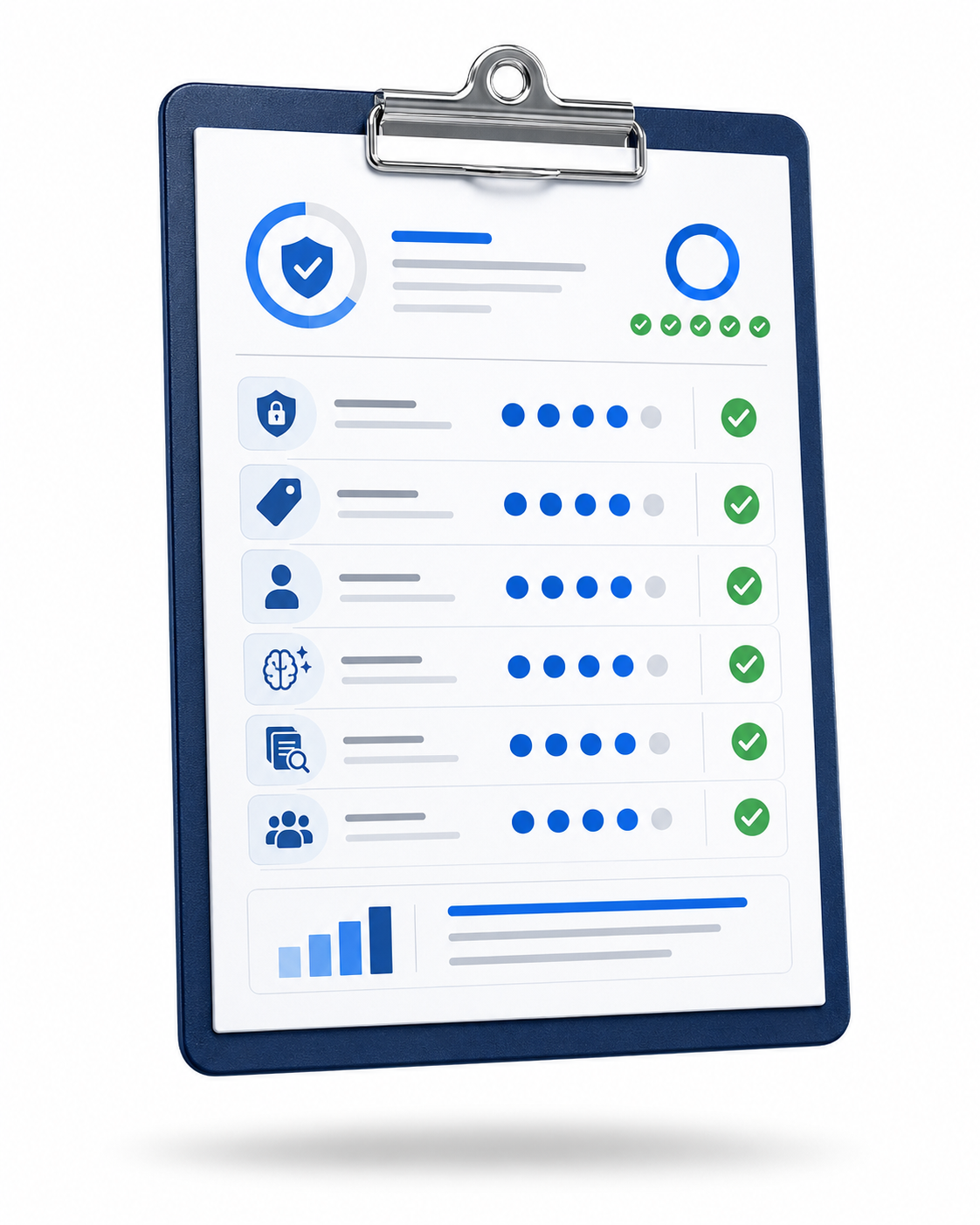
Usefulness
Does the tool solve a real budgeting, investing, credit, debt, tax, or cash-flow problem?
Ease of Use
Can a non-technical reader understand the setup, dashboard, and next step?
Pricing & Value
Are free features, paid plans, trials, and upgrade limits easy to understand?
Safety & Privacy
What financial data does the tool request, and what should users check first?
AI Transparency
Does the product explain how automation, categorization, scoring, or recommendations work?
Reader Fit
Who is this tool best for, and who should avoid it or compare alternatives?